
CSS Economics Past Papers
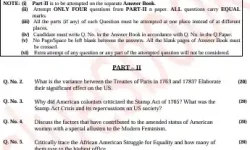
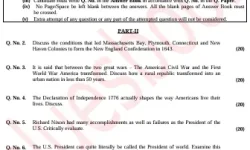
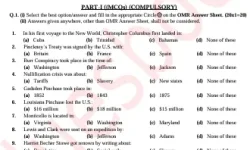
Trade liberalization in Pakistan appeared in CSS 2013, a key topic often repeated in the Past Papers of CSS of Economics, ideal for exam-focused preparation. Simple yet challenging, this paper reflected real CSS vibes.

The CSS Economics Exam 2013 stood out for blending core theoretical frameworks with real-time policy issues. This paper not only tested conceptual clarity but also practical application, making it a balanced challenge for aspirants. Below is a breakdown of the exam’s key themes, structure, and insights to help future candidates prepare effectively.
Format of Past Papers of CSS of Economics 2013
The paper followed the traditional CSS structure:
- Total Marks: 100
- Duration: 3 hours
- Sections: Two (A & B)
- Question Type: Long-form descriptive answers
- Choice: Attempt 4 out of 7 questions, each carrying 20 marks
Topics Covered in CSS Economics 2013
Section A: Theoretical Economics
- Microeconomic Concepts: Demand, elasticity, utility, etc.
- Macroeconomic Theories: GDP, national income, inflation & unemployment
- Keynesian vs Classical Theories: Clear emphasis on comparison
- Market Structures: Monopoly, perfect competition
Section B: Applied and Development Economics
- Economic Planning in Pakistan: Analysis of past and future prospects
- Poverty and Income Distribution: Core social policy focus
- Trade Liberalization: A case-based question on Pakistan
- Role of IMF and World Bank: Impacts on Pakistan’s economy
- Public Finance & Budget Deficit: Analytical approach required
Highlight Questions from the 2013 Paper
- “Critically examine the effects of trade liberalization in Pakistan.”
- “Discuss the role of Keynesian economics in current policy decisions.”
- “Explain the causes and effects of poverty in Pakistan.”
- “Differentiate between Classical and Keynesian approaches to unemployment.”
- “Evaluate the contribution of IMF in Pakistan’s development.”
- These questions required analytical depth and a command over both theory and facts.
Analysis of Paper Difficulty
- Level: Moderate to Tough
- Focus: Conceptual clarity + Practical examples
- Most Challenging Area: Development economics section
- Most Scoring Area: Micro and Macro theory
Tips for Future Aspirants
- Cover economic policies of Pakistan from reliable sources like SBP and Economic Surveys.
- Revise theoretical foundations in macro/microeconomics.
- Practice writing analytical and balanced answers.
- Read about international organizations’ role in Pakistan.
About the CSS
The CSS (Central Superior Services) Competitive Examination is a rigorous federal-level test administered by the Federal Public Service Commission (FPSC) to select candidates for prestigious civil service roles across Pakistan. The exam’s rules and regulations, covering age limits, eligibility, subjects, and quotas, are detailed in the official CSS Rules section on the FPSC’s website.
The CSS Exam Rules, issued by FPSC Pakistan, outline eligibility criteria, age limits (21–30 years), and a maximum of three attempts for candidates. The exam includes written tests, a medical exam, a psychological assessment, and an interview. Rules also define quotas, disqualification grounds, and subject selection for a fair recruitment process.
Download the PDF
- You can download the full CSS Economics 2013 past paper PDF for free to review the original questions.
- The CSS Economics 2013 paper was intellectually rich, demanding both theoretical clarity and policy insight.
It is highly recommended for aspirants to study it thoroughly to understand the CSS examiners’ mindset and expected answer styles.