
Pakistan Affairs CSS Past Papers 2014
Download Pakistan Affairs CSS Past Papers 2014. The CSS Pakistan Affairs 2014 paper explored core issues like federalism and energy security. This unsolved PDF highlights real exam expectations, download it now to understand themes that truly matter.
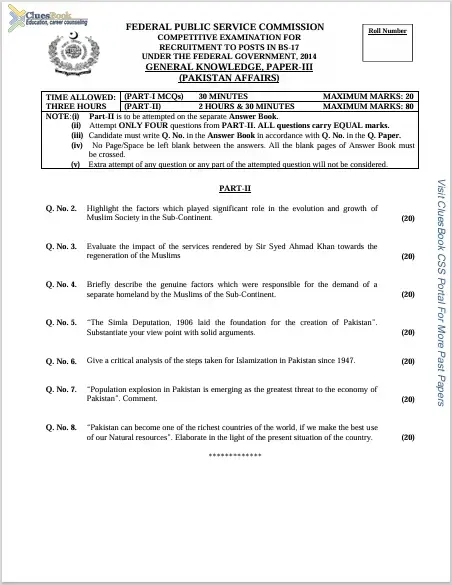
The 2014 CSS Pakistan Affairs paper marked a subtle shift in the examiner’s intent, from pure history based questions toward evaluating national policy awareness. Candidates who linked current events with constitutional frameworks had a clear advantage.
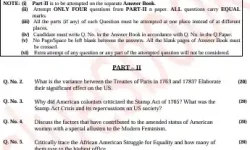
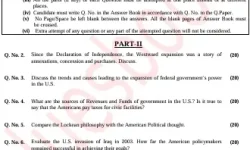
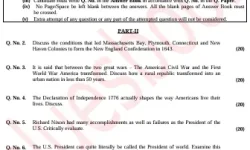
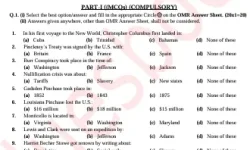
Question Format & Structure
Pakistan Affairs CSS Past Papers 2014 followed the standard CSS format but leaned slightly more toward conceptual and analytical questions:
- Total Marks: 100
- MCQs: 20 marks (compulsory)
- Subjective: 7 questions, attempt any 4 (each 20 marks)
- Time Allowed: 3 hours
The subjective section demanded a multi dimensional understanding of Pakistan’s political structure, governance issues, and strategic challenges.
About the CSS
The CSS (Central Superior Services) Competitive Examination is a rigorous federal level test administered by the Federal Public Service Commission (FPSC) to select candidates for prestigious civil service roles across Pakistan. The exam’s rules and regulations, covering age limits, eligibility, subjects, and quotas, are detailed in the official CSS Rules section on the FPSC’s website.
The CSS Exam Rules, issued by FPSC Pakistan, outline eligibility criteria, age limits (21–30 years), and a maximum of three attempts for candidates. The exam includes written tests, a medical exam, a psychological assessment, and an interview. Rules also define quotas, disqualification grounds, and subject selection for a fair recruitment process.
Key Themes & Concepts Covered
The paper touched on both classical and modern issues, testing candidates’ awareness of Pakistan’s internal vulnerabilities and its regional relevance.
- Federalism, provincial autonomy, and constitutional design
- Water and energy crises are affecting national development
- Ideological debates shaping national discourse
- Regional security, especially ties with Afghanistan and India
Unlike previous years, this paper avoided deep historical dives and focused more on contemporary structural issues.
What the Examiner Was Testing
The 2014 examiner didn’t just want rehearsed knowledge. There was a deeper demand for clarity of thought and real-world understanding:
- Could candidates explain Pakistan’s constitutional dilemmas?
- Were they aware of current energy and water governance issues?
- Could they articulate Pakistan’s regional position in post 2011 South Asia?
- Did they balance facts with logical argumentation?
Memorization alone would not help, the real test was critical analysis under time pressure.
Recommended Preparation Material
To confidently handle papers like this, use sources that blend historical depth with contemporary insights:
-
Books
- Pakistan: Between Mosque and Military by Hussain Haqqani
- The Struggle for Pakistan by Ayesha Jalal
-
Journals & Reports
- IPRI Journal
- PIDE policy briefs
-
Online Sources
- Current Affairs sections on DAWN and The News
- Think tanks like ISSI and CRSS
Use these selectively, don’t overload. Focus on quality, not quantity.
Download Section
You can download the original Pakistan Affairs CSS Past Papers 2014 (PDF) from the download link mentioned below in the post. It’s unsolved and formatted for practice purposes.
The 2014 paper showed that CSS isn’t just about knowing facts, it’s about applying them. Aspirants who followed national developments and tied them logically to Pakistan’s foundational issues likely stood out.
Going forward, such integrated thinking will only become more critical.