
International Relations CSS Past Papers 2014
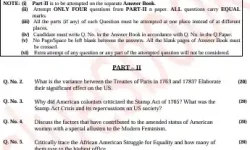
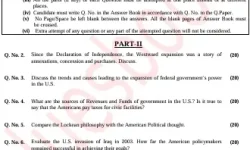
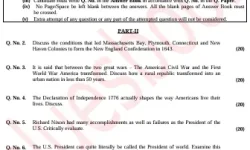
Download CSS International Relation Past Papers 2014. The CSS International Relations (IR) paper has remained a key subject for aspirants aiming to understand global affairs, theories of diplomacy, and Pakistan’s strategic interests. The 2014 paper tested candidates on both conceptual clarity and the application of theories to global and regional issues. In this blog, we provide the CSS IR 2014 paper in PDF format, with key insights, major topics, and preparation tips.

Why Analyze Past Papers?
Analyzing older IR papers gives CSS candidates an edge:
- Reveals question trends and examiner preferences
- Clarifies theoretical vs. applied question types
- Helps identify repeated or evolving topics
- Supports writing practice with real past paper content
- Strengthens understanding of global affairs through historical lenses
Breakdown of the 2014 IR Paper
The 2014 paper followed the standard CSS pattern:
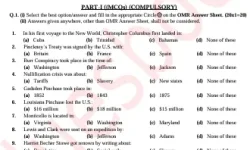
Objective Section (MCQs)
- 20 multiple-choice questions
- Covered topics like:
- Foundational IR theories
- UN system and international organizations
- Major peace treaties and diplomatic terms
- Global conflict history and institutions
Subjective Section (Essay-Type Questions)
Candidates had to answer 4 questions from a selection. Main areas included:
- IR as an academic discipline
- Comparison of classical realism and neorealism
- Role of diplomacy in modern international politics
- Pakistan’s foreign policy in a regional context
- Nuclear deterrence and balance of power
About the CSS
The CSS (Central Superior Services) Competitive Examination is a rigorous federal-level test administered by the Federal Public Service Commission (FPSC) to select candidates for prestigious civil service roles across Pakistan. The exam’s rules and regulations, covering age limits, eligibility, subjects, and quotas, are detailed in the official CSS Rules section on the FPSC’s website.
The CSS Exam Rules, issued by FPSC Pakistan, outline eligibility criteria, age limits (21–30 years), and a maximum of three attempts for candidates. The exam includes written tests, a medical exam, a psychological assessment, and an interview. Rules also define quotas, disqualification grounds, and subject selection for a fair recruitment process.
Key Themes from the 2014 IR Paper
These were the core focus areas of the exam:
- Theoretical grounding of IR (realism, liberalism, etc.)
- Functioning and relevance of diplomacy
- Regional security dynamics in South Asia
- Evolution of global power structures
- Application of IR theory to foreign policy
How to Practice with the 2014 Paper
Maximize learning by:
- Attempting past questions with strict time limits
- Applying modern events and examples to older topics
- Using IR theory to justify answers
- Practicing answer structuring with thesis, argument, and evidence
- Comparing your response with top scorer samples if available
Recommended Books & Study Sources
Use these reliable resources to prepare effectively:
- Global Politics by Andrew Heywood
- The Globalization of World Politics by Baylis, Smith & Owens
- International Relations by Joshua Goldstein
- Pakistan’s Foreign Policy by Abdul Sattar
- IR-specific MCQ books and solved past paper guides
Download Section
Click below to download the Past Papers of International Relations CSS PDF file
- Always align your answers with current affairs and theoretical frameworks.
- Practice writing time-bound answers using past papers.
- Follow key developments in global politics, economic trends, and regional issues, especially in South Asia.
This will help you practice, analyze, and understand exam trends more clearly.
The CSS IR 2014 paper remains relevant for today’s candidates due to its focus on classical IR theory and regional geopolitics. Understanding past questions strengthens not only knowledge but also your exam approach.
Be consistent in revising, stay updated with global developments, and always frame answers within analytical and theoretical perspectives.