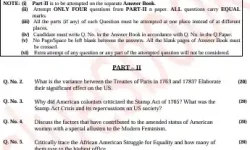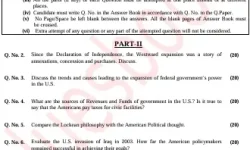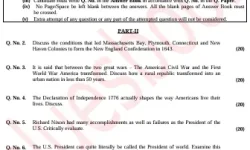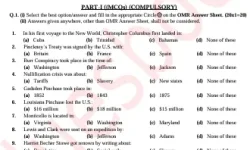

Download CSS past papers of public administration 2017 with in-depth review, preparation guidance, examiner’s insights, and resource copy. A complete breakdown for CSS aspirants aiming to master this subject.
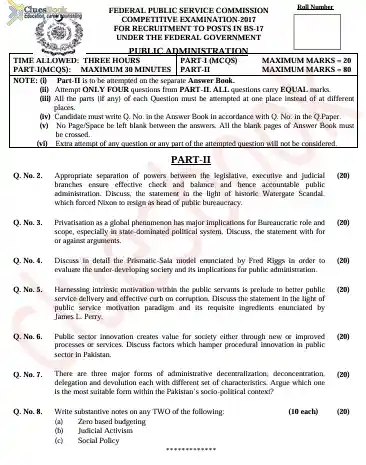
The 2017 Public Administration paper in the CSS Exam was a mix of theoretical knowledge and applied governance. Unlike earlier years, it emphasized not only administrative thinkers but also the practical challenges of policy implementation in Pakistan. Candidates with critical understanding and structured writing performed better than those relying solely on rote learning.
Paper Highlights at a Glance
- Strong focus on administrative reforms and governance structures
- Questions framed to test comparative analysis and problem-solving
- Balance of classical theories and modern practices
- Special emphasis on public sector challenges in Pakistan
Thematic Areas Covered
The paper drew its strength from diverse domains of the subject. Broadly, it tested:
Administrative Thinkers and Theories
Candidates were asked to explain and critique contributions of classical and modern theorists such as Weber, Taylor, and Gulick.
Organizational Behavior
Behavioral and human relations approaches were tested to examine their impact on administrative efficiency.
Governance & Reforms in Pakistan
A major portion highlighted governance gaps, accountability measures, and institutional reforms.
Comparative Public Administration
The examiner expected candidates to show a global perspective by relating Pakistani administration with international practices.
About the CSS
The CSS (Central Superior Services) Competitive Examination is a rigorous federal-level test administered by the Federal Public Service Commission (FPSC) to select candidates for prestigious civil service roles across Pakistan. The exam’s rules and regulations, covering age limits, eligibility, subjects, and quotas, are detailed in the official CSS Rules section on the FPSC’s website.
The CSS Exam Rules, issued by FPSC Pakistan, outline eligibility criteria, age limits (21–30 years), and a maximum of three attempts for candidates. The exam includes written tests, a medical exam, a psychological assessment, and an interview. Rules also define quotas, disqualification grounds, and subject selection for a fair recruitment process.
Examiner’s Underlying Strategy
The examiner’s intent was clear, testing not just what students knew, but how they applied it:
- Linking theories to modern governance
- Analytical depth instead of surface-level description
- Relevance of answers to Pakistan’s administrative realities
- Balanced coverage of both historical context and current affairs
Lessons for Future Candidates
To handle such papers effectively, aspirants should:
- Build conceptual clarity on major schools of thought
- Connect topics with real-world governance challenges
- Practice comparative writing with examples from developed nations
- Develop a style that balances theory, application, and critical opinion
CSS Past Papers of Public Administration 2017 PDF
The 2017 Public Administration paper stood out as a test of both analytical strength and practical orientation. It rewarded candidates who were able to demonstrate insight into governance issues while keeping theoretical foundations intact.
For upcoming aspirants, the key lies in studying administration as a living subject that evolves with society, not as a set of static theories.