
Download Political Science Books for CSS In PDF. Discover How Democracies Die by Steven Levitsky is a must-read for CSS Political Science aspirants. Explore its relevance, insights, and how it can enhance your exam preparation.
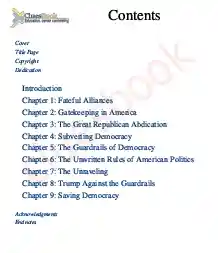
Political Science is one of the most popular optional subjects in the CSS Exam, attracting candidates interested in governance, power structures, and statecraft. While theory-heavy texts are crucial, contemporary books like How Democracies Die by Steven Levitsky provide a fresh, real-world perspective that deepens understanding beyond static definitions.
Why Contemporary Political Books Matter for CSS
The CSS syllabus requires not just historical and theoretical knowledge but also the ability to connect concepts with current political realities. Books like How Democracies Die offer:
- Real examples of democratic erosion
- Comparative politics insights across different nations
- A deeper grasp of political systems beyond textbooks
- Analytical frameworks for evaluating governance models
About How Democracies Die by Steven Levitsky
First published in 2018, How Democracies Die has quickly become a modern political classic. Levitsky, along with co-author Daniel Ziblatt, explores the subtle ways democracies weaken, not just through coups or violent uprisings, but through gradual institutional erosion.
Key Themes Covered in the Political Science Books for CSS In PDF
- The role of unwritten political norms in maintaining democracy
- Warning signs of authoritarian drift
- Case studies from the USA, Latin America, and Europe
- The impact of political polarization on governance stability
Relevance for CSS Political Science Preparation
For CSS candidates, this book aligns with multiple syllabus topics:
| CSS Syllabus Topic | Relevance in How Democracies Die |
| Comparative Politics | Detailed case studies of different democratic systems |
| Political Theory | Analysis of democratic norms vs. formal institutions |
| Political Dynamics | Insights into polarization, populism, and power abuse |
| Current Affairs | Contemporary global political trends and risks |
Unique Learning Benefits for Aspirants
Reading How Democracies Die offers more than just academic enrichment, it develops critical thinking. Aspirants can:
- Improve analytical answers with modern political examples
- Relate democratic theory to real-world scenarios
- Write impactful essays in Pakistan Affairs & Current Affairs papers
- Strengthen interview responses with globally recognized references
Supplementary Political Science Books for CSS
While Levitsky’s work is a great addition, it should be paired with core readings like:
- Political Theory by Andrew Heywood
- Politics by Andrew Heywood
- Comparative Government and Politics by Rod Hague and Martin Harrop
- The Republic by Plato (for classical foundation)
In the evolving political climate, CSS candidates must move beyond rote learning and engage with fresh perspectives. How Democracies Die bridges the gap between theory and practice, making it a valuable asset for any serious Political Science aspirant. Download this book by clicking the download button below.
Combined with standard CSS preparation books, it equips candidates with a nuanced understanding of governance challenges in the modern era.