
International Relations CSS Past Papers 2011
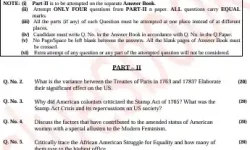
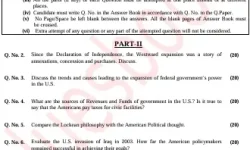
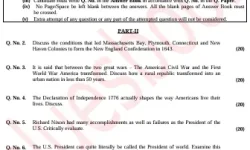
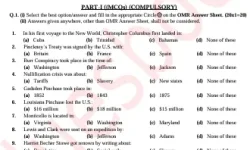
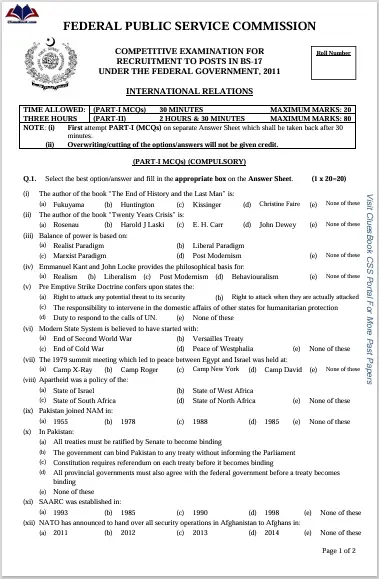
Download CSS IR Past Papers 2011. The CSS International Relations (IR) paper continues to be a favorite among aspirants due to its blend of theoretical depth and practical relevance in world affairs. The 2011 paper tested candidates on foundational IR theories, international organizations, global conflicts, and Pakistan’s diplomatic posture. In this blog, you’ll find a PDF download of the CSS IR 2011 paper, a detailed paper breakdown, and essential preparation advice.
Why Analyze Past Papers?
Reviewing previous IR papers is a crucial part of exam strategy:
- Reveals recurring topics and examiner focus areas
- Helps in identifying question types (analytical, comparative, conceptual)
- Strengthens theoretical and applied understanding
- Trains you to answer within exam time constraints
- Builds confidence and exam awareness
Breakdown of the 2011 IR Paper
The 2011 IR paper was structured as follows:
Objective Section (MCQs)
- 20 multiple-choice questions
- Topics included:
- Basic IR theories and key scholars
- Global institutions (UN, WTO, IMF)
- Historic events and diplomatic terms
- Cold War and post-Cold War developments
Subjective Section (Essay-Type Questions)
Candidates selected 4 out of several given essay questions. Major areas included:
- Definition and scope of international relations
- Realism and liberalism: a theoretical comparison
- Importance of international law
- Middle East conflict and U.S. foreign policy
- Pakistan’s relations with neighboring countries
About the CSS
The CSS (Central Superior Services) Competitive Examination is a rigorous federal-level test administered by the Federal Public Service Commission (FPSC) to select candidates for prestigious civil service roles across Pakistan. The exam’s rules and regulations, covering age limits, eligibility, subjects, and quotas, are detailed in the official CSS Rules section on the FPSC’s website.
The CSS Exam Rules, issued by FPSC Pakistan, outline eligibility criteria, age limits (21–30 years), and a maximum of three attempts for candidates. The exam includes written tests, a medical exam, a psychological assessment, and an interview. Rules also define quotas, disqualification grounds, and subject selection for a fair recruitment process.
Key Themes from the CSS IR Past Papers
The main focus areas were:
- Theoretical frameworks (realism, liberalism)
- Cold War politics and superpower relations
- Global governance and multilateral institutions
- Pakistan’s foreign policy and regional strategy
- Middle East conflicts and diplomacy
How to Practice with the 2011 Paper
Follow these strategies for effective use:
- Write essay answers in past paper style
- Use current examples to modernize older questions
- Incorporate quotes from IR scholars and books
- Focus on logical structuring and critical analysis
- Compare answers with top-performer writing styles
Recommended Books & Study Sources
Suggested readings for the 2011 topics include:
- Global Politics by Andrew Heywood
- International Relations by Joshua Goldstein
- The Globalization of World Politics by Baylis, Smith & Owens
- Pakistan’s Foreign Policy by Abdul Sattar
- IR-specific MCQ guides and solved paper books
Download Section
Click below to download the Past Papers of International Relations CSS PDF file
- Always align your answers with current affairs and theoretical frameworks.
- Practice writing time-bound answers using past papers.
- Follow key developments in global politics, economic trends, and regional issues, especially in South Asia.
The CSS IR 2011 paper is essential for aspirants who want to build a strong foundation in international relations theory and real-world applications. The topics covered remain relevant even today, especially for understanding the evolution of global politics and Pakistan’s foreign engagements.
Use this paper to sharpen your answer writing and deepen your conceptual grip.