
International Relations CSS Past Papers 2015
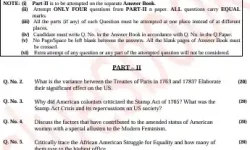
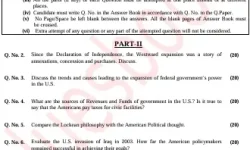
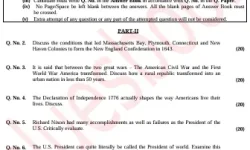
Download the IR Past Paper CSS 2015 file. The CSS International Relations (IR) paper has always been a strategic and intellectually rewarding optional subject for CSS aspirants. Reviewing previous years’ papers is essential for identifying recurring topics, understanding paper trends, and improving answer-writing techniques. This blog provides the CSS IR 2015 paper in PDF format, along with a clear overview, preparation tips, and focused guidance.

Why Analyze Past Papers?
Studying past papers helps you:
- Familiarize with exam structure and language
- Detect frequently repeated areas in the syllabus
- Strengthen your conceptual clarity in theory and current affairs
- Practice time-bound answer writing
- Develop your own response strategy and content flow
Breakdown of the 2015 IR Paper
The CSS IR 2015 paper consisted of the following:
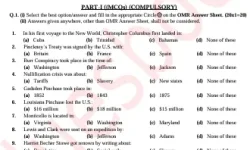
Objective Section (MCQs)
- 20 multiple-choice questions
- Topics included:
- Definitions and key concepts in IR
- UN charter and global organizations
- International law and treaties
- Political theories and notable thinkers
Subjective Section (Essay-Type Questions)
Candidates were required to answer 4 questions. Prominent topics were:
- Theories of international relations and their application
- Global conflict and cooperation post-Cold War
- Pakistan’s foreign policy dynamics
- Strategic environment in South Asia
- International law and its effectiveness in global politics
About the CSS
The CSS (Central Superior Services) Competitive Examination is a rigorous federal-level test administered by the Federal Public Service Commission (FPSC) to select candidates for prestigious civil service roles across Pakistan. The exam’s rules and regulations, covering age limits, eligibility, subjects, and quotas, are detailed in the official CSS Rules section on the FPSC’s website.
The CSS Exam Rules, issued by FPSC Pakistan, outline eligibility criteria, age limits (21–30 years), and a maximum of three attempts for candidates. The exam includes written tests, a medical exam, a psychological assessment, and an interview. Rules also define quotas, disqualification grounds, and subject selection for a fair recruitment process.
Key Themes from the 2015 IR Paper
Focus on these essential areas during your preparation:
- Theory-based analysis of world politics
- Geopolitical environment of South Asia
- Post-Cold War global security architecture
- Role of Pakistan in international diplomacy
- International law in practice
How to Practice with the 2015 Paper
- Solve the paper in a mock exam setting
- Evaluate your answers based on clarity, structure, and content depth
- Use real-world examples alongside theoretical backing
- Stay updated on global political trends to relate past topics to current scenarios
- Discuss your answers with CSS mentors or peers for critique
Recommended Books & Study Sources
Strengthen your preparation with these trusted materials:
- Global Politics by Andrew Heywood
- International Relations by Joshua Goldstein & Jon Pevehouse
- The Globalization of World Politics by Baylis, Smith & Owens
- Pakistan’s Foreign Policy by Abdul Sattar
- CSS MCQ books and solved past paper guides for IR
Download Section
Use this file for practice sessions, question analysis, and study reference.
Click below to download the Past Papers of International Relations CSS PDF file
- Always align your answers with current affairs and theoretical frameworks.
- Practice writing time-bound answers using past papers.
- Follow key developments in global politics, economic trends, and regional issues, especially in South Asia.
The CSS IR 2015 paper provided a balanced mix of theory, regional affairs, and international legal frameworks. Aspirants should view this paper as a strong foundation to build knowledge, develop answer-writing confidence, and understand how to align theory with real-time global developments.
Stay committed, keep revising, and approach IR as a living subject, not just a theoretical one.