
Past Papers of CSS Pakistan Political Science 2016
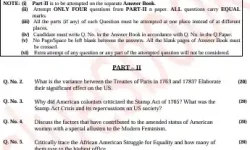
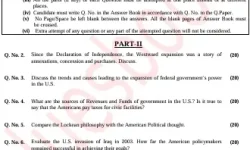
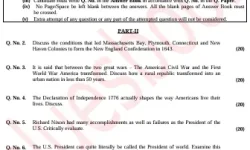
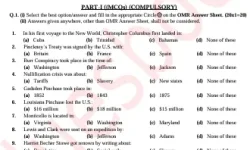
Download Past Papers of CSS Pakistan Political Science 2016. The CSS 2016 Political Science paper tested your grip on abstract ideals and practical institutions. For example, the contrast between Locke’s liberty and modern governance expectations was central. This review captures key insights in a practical tone with real paper context and clear advice.
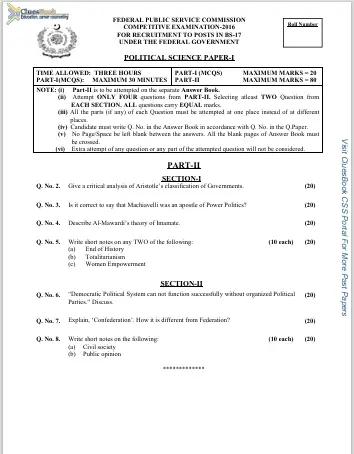
Overview of Paper Format
- Marks: 100
- Time: 3 Hours
- Question Requirement: Attempt 4 out of 8 questions
- Sections: Two sections with equal weightage
What Set This Paper Apart
Rather than just testing definitions, the Past Papers Of CSS Pakistan Political Science 2016 focused on how political ideals translate into institutional realities.
- Could you analyze concepts like sovereignty and liberty in present day politics?
- Did you show depth in Islamic political thought without memorization?
- Were you able to connect theory with actual governance challenges?
About the CSS
The CSS (Central Superior Services) Competitive Examination is a rigorous federal level test administered by the Federal Public Service Commission (FPSC) to select candidates for prestigious civil service roles across Pakistan. The exam’s rules and regulations, covering age limits, eligibility, subjects, and quotas, are detailed in the official CSS Rules section on the FPSC’s website.
The CSS Exam Rules, issued by FPSC Pakistan, outline eligibility criteria, age limits (21–30 years), and a maximum of three attempts for candidates. The exam includes written tests, a medical exam, a psychological assessment, and an interview. Rules also define quotas, disqualification grounds, and subject selection for a fair recruitment process.
Core Themes Behind the Questions
The Past Papers Of CSS Pakistan Political Science 2016 leaned heavily on blending classic political thought with modern institutional frameworks.
- Locke, Hobbes, and Rousseau remained central in the contract and liberty debate.
- Muslim political thought was explored not just historically but in the current context.t
- Questions on comparative politics asked for institutional performance, not just theo.ry
- The focus on democracy, constitution, and representation was practical, not rhetorical.
Topics That Mattered Most
- Philosophical roots of liberty and authority
- Political development in Pakistan under a comparative lens
- Role and structure of Muslim political institutions
- Realism, power politics, and international peace
- Western political evolution vs Islamic models of governance
Preparation Angle for Papers Like This
To prepare for papers like Past Papers Of CSS Pakistan Political Science 2016, focus on:
- Linking theory with national and international institutions
- Using comparative frameworks from Western and Islamic perspectives
- Keeping answers well structured with real world relevance
Books That Would Have Helped
- Political Theory by Andrew Heywood
- Muslim Political Thought by Aslam Chaudhry
- Comparative Politics by Hague & Harrop
- Politics in Pakistan by Hamid Khan
Where Candidates Struggled
- Overloading answers with quotes but lacking analysis
- Ignoring how political theory applies to Pakistan’s reality
- Writing vague responses in comparative politics without structure
Download Section
You can download the original Past Papers Of CSS Pakistan Political Science 2016 (PDF) from the viewer resource section. It’s unsolved and formatted for practice purposes. The 2016 paper demanded clarity over complexity. Simpler, structured answers that linked thinkers to functioning political systems stood out.
Aspirants who avoided rote learning and embraced comparative analysis were rewarded.