
CSS Political Science Past Paper 2014
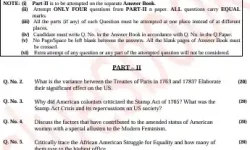
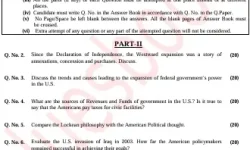
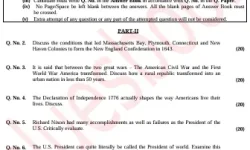
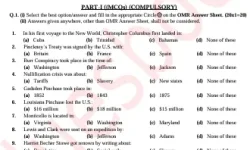
Download CSS Political Science Past Paper 2014. The 2014 CSS Political Science paper focused on ideological clarity and practical comparison.

For instance, contrasting Western liberal democracy with Islamic political ideals was a major highlight. This blog gives you the gist in a smart, simplified format with real relevance for aspirants.
What Made the 2014 Paper Different?
Rather than thematic repetition or abstract theory, the CSS Political Science Past Paper 2014 leaned on:
- Conceptual clarity of political ideologies
- Questions that tested comparative insights
- Integration of Islamic and Western thought without overcomplication
- A greater focus on interlinking theory and governance models
Overview at a Glance
- Paper Type: Subjective, theory heavy
- Marks: 100
- Time: 3 Hours
- Attempt Required: 4 out of 8 questions
- Core Areas: Western Philosophy, Muslim Thought, Comparative Politics
About the CSS
The CSS (Central Superior Services) Competitive Examination is a rigorous federal level test administered by the Federal Public Service Commission (FPSC) to select candidates for prestigious civil service roles across Pakistan. The exam’s rules and regulations, covering age limits, eligibility, subjects, and quotas, are detailed in the official CSS Rules section on the FPSC’s website.
The CSS Exam Rules, issued by FPSC Pakistan, outline eligibility criteria, age limits (21–30 years), and a maximum of three attempts for candidates. The exam includes written tests, a medical exam, a psychological assessment, and an interview. Rules also define quotas, disqualification grounds, and subject selection for a fair recruitment process.
Evaluator’s Preference Signals
Key indicators of what the examiner was targeting:
- Use of thinkers as tools, not just content
- Linking classical thought with modern state problems
- Judging a candidate’s ability to evaluate, not just describe
- A preference for comparative reasoning in questions related to governance, democracy, and sovereignty
Paper’s Intellectual Orientation
The CSS Political Science Past Paper 2014 revolved around a few recurring lenses:
- Philosophical Roots of Government (e.g., Plato, Aristotle vs. Islamic thought)
- Democracy vs Authoritarianism from structural and moral standpoints
- Application of sovereignty and power theories in a post colonial and globalized context
- Differences in Western and Islamic conceptions of rights, statehood, and governance
Reference Material That Could Have Helped
- Muslim Political Thought – S.M. Aslam Chaudhry
- Political Philosophy – C.L. Wayper
- Contemporary Political Ideologies – Sargent
- Comparative Government and Politics – Rod Hague
Most Common Mistakes by Candidates
- Mixing up thinker specific ideologies (e.g., Locke vs Rousseau)
- Ignoring the Islamic context while answering comparative questions
- Writing theory heavy responses without real world examples
- Failure to integrate Pakistan’s system into broader political debates
Download Section
You can download the original CSS Political Science Past Paper 2014 (PDF) from the download link mentioned below in the post. It’s unsolved and formatted for practice purposes. The 2014 paper served as a reminder that Political Science in CSS isn’t about rote definitions, it’s about perspective. Those who connected ideology to governance and theory to political challenges stood out.
If you’re aiming for high marks, treat each concept as a living, testable idea, not a textbook excerpt.