
CSS Past Paper
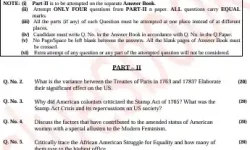
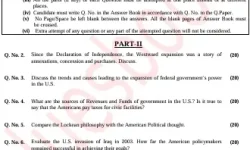
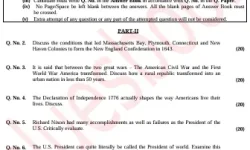
The Political Science CSS Paper 2010 reflected a classic mix of theoretical, historical, and contemporary political topics. It tested both conceptual clarity and analytical depth. Here’s a structured overview for aspirants looking to understand and prepare similar questions:

Paper Format & Structure
- Total Marks: 100
- Time Allowed: 3 hours
- Sections: Two (Section I – Compulsory, Section II – Optional)
- MCQs: 20 (in Section I)
- Subjective Questions: 4 (to be attempted from Section II)
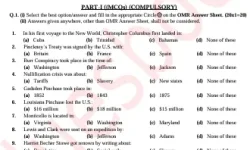
Section I – Multiple Choice Questions
- Covered a wide range of topics: Political thinkers, constitutions, international relations, and political ideologies.
- Examples included:
- Who is the author of “The Prince”?
- Concept of sovereignty
- Main organs of the UN
Section II – Subjective Questions
Candidates had to attempt 4 questions from a given list of 8. These typically included:
- Political Philosophy: Hobbes, Locke, Rousseau, Machiavelli
- Western Political Thought: Utilitarianism, Marxism
- Muslim Political Thought: Al-Farabi, Al-Mawardi, Iqbal
- Comparative Politics: Parliamentary vs Presidential systems
- International Relations: Realism, Cold War dynamics, UN reforms
- Current Affairs (2009–2010): U.S. foreign policy, role of OIC, Middle East politics
About the CSS
The CSS (Central Superior Services) Competitive Examination is a rigorous federal-level test administered by the Federal Public Service Commission (FPSC) to select candidates for prestigious civil service roles across Pakistan. The exam’s rules and regulations, covering age limits, eligibility, subjects, and quotas, are detailed in the official CSS Rules section on the FPSC’s website.
The CSS Exam Rules, issued by FPSC Pakistan, outline eligibility criteria, age limits (21–30 years), and a maximum of three attempts for candidates. The exam includes written tests, a medical exam, a psychological assessment, and an interview. Rules also define quotas, disqualification grounds, and subject selection for a fair recruitment process.
Common Themes in Political Science CSS Paper 2010
- Focus on Islamic Political Thought
- Conceptual clarity of Sovereignty, Power, and Authority
- Role of global institutions in modern politics
- Evaluation of democratic practices in Pakistan
- Emergence of regional powers in global politics
Smart Preparation Tactics
To prepare for papers like 2010:
- Make a matrix of key thinkers (Western and Islamic), including ideas and keywords
- Practice comparative answers (e.g., Hobbes vs. Rousseau or Parliamentarianism vs. Presidentialism)
- Summarize international relations theories and match them to real-world events
- Use past MCQs to identify weak spots in definitions and factual knowledge
- Read a newspaper editorial weekly and map it to political science concepts
From Analysis to Action
Success in Political Science for CSS depends not just on rote learning but on conceptual understanding and critical analysis. Go beyond memorizing thinkers and terms, and develop the ability to connect classical theories with current events. Regularly review past papers from 2010s, and build a strong foundation in both Western and Islamic political thought. Click the Download Button given below.
Consistency, smart revision, and analytical practice are your keys to scoring high.