
CSS Past Papers of Computer Science
Download CSS Past Papers Of Computer Science. The CSS 2012 Computer Science paper focused mainly on theoretical and structural aspects of the subject. For example, it featured topics like data structures, software design, and memory management. It was concept-heavy, with minimal coding involved. So if you prefer theory over syntax, this one’s right up your alley.

What to Expect from the 2012 Paper?
The CSS Past Papers Of Computer Science 2012 offered a strong foundation for candidates who had a good conceptual grip on the subject. Instead of focusing on tricky programming implementations, the paper tested understanding through comparisons, definitions, system models, and logical reasoning.
It proved ideal for those who preferred writing-oriented questions over hands-on coding.
Core Subject Areas Covered
The paper reflected a fairly distributed pattern across various theoretical domains:
Computer Architecture and Logic
- Concepts like flip flops, registers, and control units
- Logic circuits and Boolean simplification
- Binary arithmetic and logic gates
Data Structures and Algorithms
- Queue, stack, and linked list properties
- Sorting methods: selection, insertion, bubble
- Dry runs and algorithm complexity basics
Operating System Fundamentals
- Paging, segmentation, and virtual memory concepts
- File system structures and access mechanisms
- Scheduling techniques like FCFS and Round Robin
Database Concepts
- Types of database models (hierarchical, relational)
- Basic ER diagrams and attributes
- Functional dependencies and normalization rules
Software Engineering Principles
- Software life cycle models: waterfall, spiral, RAD
- Documentation process and feasibility studies
- Importance of system requirements and modeling
Programming Fundamentals
- Procedural vs Object-Oriented programming principles
- Concepts of modular design
- Flowcharts and pseudo-code basics
About the CSS
The CSS (Central Superior Services) Competitive Examination is a rigorous federal level test administered by the Federal Public Service Commission (FPSC) to select candidates for prestigious civil service roles across Pakistan. The exam’s rules and regulations, covering age limits, eligibility, subjects, and quotas, are detailed in the official CSS Rules section on the FPSC’s website.
The CSS Exam Rules, issued by FPSC Pakistan, outline eligibility criteria, age limits (21–30 years), and a maximum of three attempts for candidates. The exam includes written tests, a medical exam, a psychological assessment, and an interview. Rules also define quotas, disqualification grounds, and subject selection for a fair recruitment process.
How Was the Paper Structured?
The exam followed FPSC’s usual structure:
- Part I: Objective Section
Brief MCQs based on logic, memory concepts, and DBMS basics. - Part II: Subjective Section
Descriptive and comparative questions based on real world applications and theoretical models.
The questions were broad yet simple, ideal for someone with a textbook-level understanding of topics.
Recommended Study Approach
- Focus on Theory Heavy Chapters
Go deeper into architecture, OS, and database concepts. Skip unnecessary implementation. - Stick to Standard Books
- Computer Organization by Carl Hamacher
- Operating System Concepts by Silberschatz
- Database Systems by Elmasri & Navathe
- Practice Conceptual Application
Draw ER diagrams, memory layouts, or system models while revising, these appear in many papers. - Revise Definitions and Comparisons
Short questions are often definition-based or involve side-by-side comparisons (e.g., OOP vs. Procedural).
Download Section
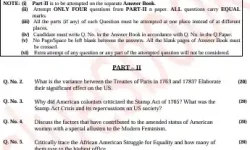
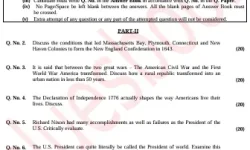
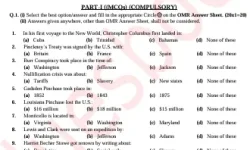
You can download the original CSS Past Papers Of Computer Science 2012 (PDF) from the link below. It’s unsolved and formatted for practice purposes. The CSS 2012 Computer Science paper remains one of the more balanced and approachable papers in the past decade. With a strong focus on theoretical understanding rather than programming tricks, it serves as a valuable tool for candidates who excel in concept-driven questions.
Reviewing this paper can sharpen your foundational knowledge and boost your confidence for upcoming attempts.