
CSS Computer Science Past Paper
Download Computer Science CSS Past Paper MCQs. Want to know what came in the CSS 2013 Computer Science paper? It focused more on concepts than code. For example, OS scheduling and DBMS design were key topics. If you’re preparing, this blog provides a concise breakdown with real-world insight. Let’s make CSS easier, together.

Overview of CSS 2013 Paper
The Computer Science CSS Past Paper 2013 MCQs leaned more on conceptual clarity and less on technical programming. If you’re targeting this optional subject, this paper is a must study for understanding the FPSC’s shift toward theory heavy content in earlier years.
How Was the Paper Structured?
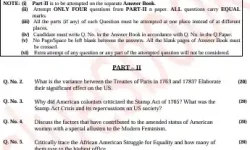
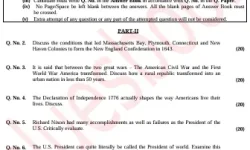
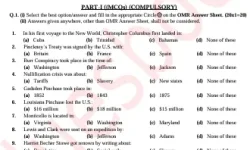
The paper was divided into two sections:
- Section I: Compulsory short questions covering a wide range of topics
- Section II: Descriptive questions requiring in-depth understanding
The balance between software concepts, networking, and database systems was evident, with minimal focus on programming syntax.
Unique Highlights of CSS 2013 Paper
- Theoretical questions dominated the paper, making it ideal for students with strong CS fundamentals but limited advanced coding skills.
- No code implementation was required; only explanations, definitions, comparisons, and diagrams were needed.
- A few questions are expected to test real world application logic, such as in system analysis or software engineering.
Important Topic Coverage in 2013
Operating Systems
- Concepts of process scheduling, like FCFS and Round Robin
- Basics of memory management and paging
Database Management Systems
- Application of normalization forms (1NF, 2NF, 3NF)
- Use of relational algebra in database queries
- Logical structure of relational models
Computer Networks
- OSI model layers and their responsibilities
- Data transmission modes and routing concepts
- Basic understanding of LAN/WAN technologies
Programming Paradigms
- Comparison between procedural and object oriented programming
- Characteristics of structured and modular approaches
Software Engineering
- SDLC phases and model comparisons
- Importance of project documentation and feasibility study
- Introduction to risk analysis in system development
Data Structures
- Theoretical properties of stacks, queues, and binary trees
- Real life applications without implementation level detail
About the CSS
The CSS (Central Superior Services) Competitive Examination is a rigorous federal level test administered by the Federal Public Service Commission (FPSC) to select candidates for prestigious civil service roles across Pakistan. The exam’s rules and regulations, covering age limits, eligibility, subjects, and quotas, are detailed in the official CSS Rules section on the FPSC’s website.
The CSS Exam Rules, issued by FPSC Pakistan, outline eligibility criteria, age limits (21–30 years), and a maximum of three attempts for candidates. The exam includes written tests, a medical exam, a psychological assessment, and an interview. Rules also define quotas, disqualification grounds, and subject selection for a fair recruitment process.
Who Should Study This Paper?
This paper is ideal for CSS aspirants who:
- Are strong in CS theory but weak in programming
- Prefer diagrams, comparisons, and models
- Want to understand FPSC’s pattern in pre-2015 exams
Download Section
You can download the original Computer Science CSS Past Paper MCQs 2013 (PDF) from the link below. It’s unsolved and formatted for practice purposes.
Review it carefully to understand question phrasing, repeated topic areas, and the weight of theory-based questions in this year.